The Halloween spirit is built, not licensed
A generic seasonal range does not read as Halloween because of a character it cannot use. It reads as the season because a small set of constraints is held across every item - and that belongs in the brief, not the artwork.
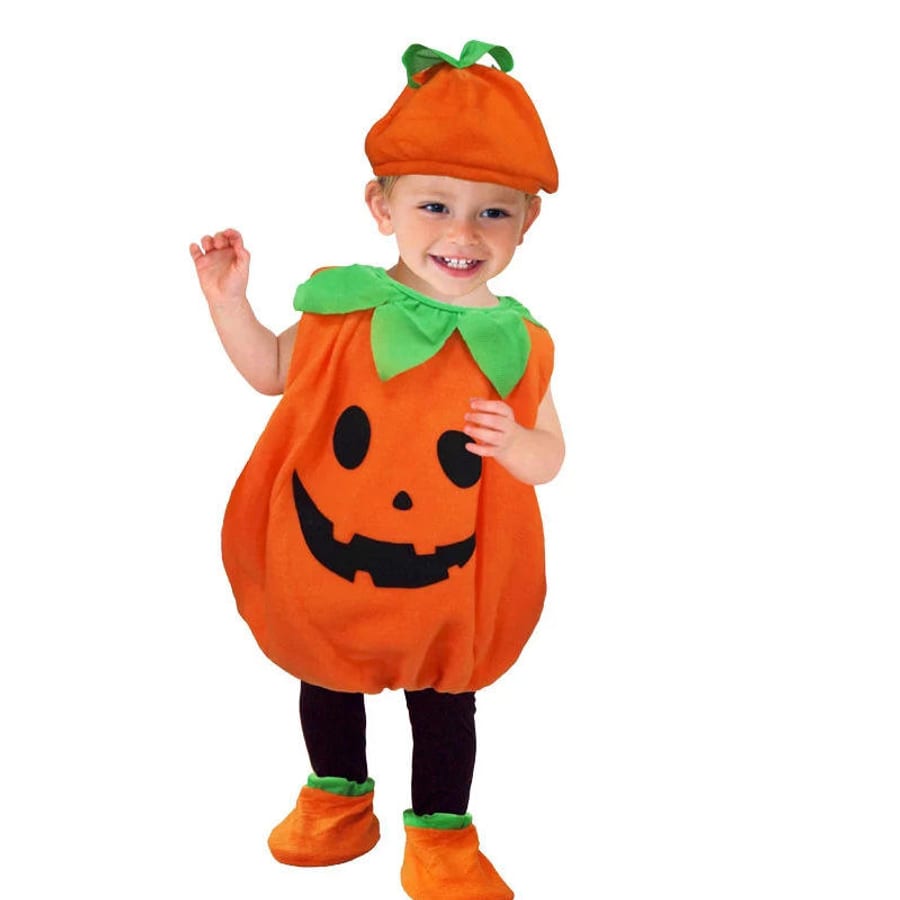
The season is a set of cues, not a character. A buyer who will not take a licence still has to put something on a shelf in September that reads as Halloween from four metres away. That is a design problem before it is a legal one, and most generic ranges get it wrong in the same way.
The licence is a schedule cost before it is a legal one
A licensed seasonal range is not simply a different set of artwork. It carries artwork approval, packaging compliance, labelling, safety testing and timing that all have to hold together, and the material written for buyers is blunt about what happens when one part slips - a launch stalls, or a shipment misses its retail window entirely. That window is its own calculation, and it does not move because the artwork was late.
So the licence buys recognition and it also buys a queue of people who must say yes before anything is printed. A generic range has no queue.
The generic route is not the thin option
Generic seasonal work needs no permission at all. Original spooky artwork, general concepts such as witches and ghosts, and fall imagery are open; characters, brands and logos are not.
The useful question is where the demand actually sits. In one seasonal category, the looks named as covering most of the demand are a pumpkin, a hot dog and a ghost - three generic concepts with no property attached to any of them. The season does not belong to anybody.
A range reads as a range because of constraints
This is where generic ranges usually fail, and it is not for lack of a character. It is because every item is written to its own brief. Ten independently designed products are ten products, and a buyer looking at them sees a pile rather than a season.
What makes a collection read as a collection is a small set of constraints held across all of it: the same repeated palette, two or three silhouettes at different sizes, one surface treatment rather than three, one motif family drawn once and re-cut. The licensed side of the trade describes the same discipline when it talks about design and packaging working as one system across a line rather than as a set of unrelated items.
Take the copy away and look again
There is a cheap test. Lay the whole range out with the packaging copy covered. If it still reads as the season, the design is doing the work. If the copy was carrying it, the range is a commodity wearing a seasonal label, and it will be bought on price and replaced next year.
Generic also re-cuts without a queue
Channel shape matters more than most ranges admit. A grocery buyer wants fast-turning core items in a compact footprint. A discounter wants opening price points and broad impulse appeal. A specialist can carry depth and a longer story. The same printed graphics can serve all three, but the build around them cannot.
Without a licence in the middle, a generic range can be re-cut for a channel in the time it takes to redo the size and pack plan. With one, every change goes back into the same approval queue that the artwork came out of.
Write the constraint set down
The failure is almost always upstream of production. If the brief for each item says only what that item is, the range dissolves into individuals and the tenth product has no relation to the first.
The brief has to carry the shared constraints as well: how many colours and which ones, how many silhouettes, which trim treatment, and which motif file. Written down once and applied to every item, a generic range stops looking like a compromise and starts looking like a season.
Written from recurring community discussion themes — Supplier guidance aimed at seasonal buyers setting out the extra control a licensed range needs - artwork approval, packaging compliance, labelling, safety testing and timing - and warning that if one part of that process slips a launch stalls or a shipment misses its retail window (topic cue only) · Seasonal selling guidance stating that original spooky artwork, general concepts such as witches and ghosts, and fall imagery need no licence while characters, brands and logos do, and naming a pumpkin, a hot dog and a ghost as the looks that cover most of the demand in one seasonal category (topic cue only). Topic cues only; every word here is original.
Need pricing for these styles?
Send quantities, sizes and your destination market — we reply with price, lead time and sample options.