Programme notes
What programme buyers keep asking.
The recurring questions from buyers of children's dress-up, pet costumes and party supply — why a size chart decides your returns rate, how pet sizing should be graded, what makes a photo-booth kit survive a second event, and when a seasonal order has to be placed. Answered from the manufacturing side, without the sales gloss.
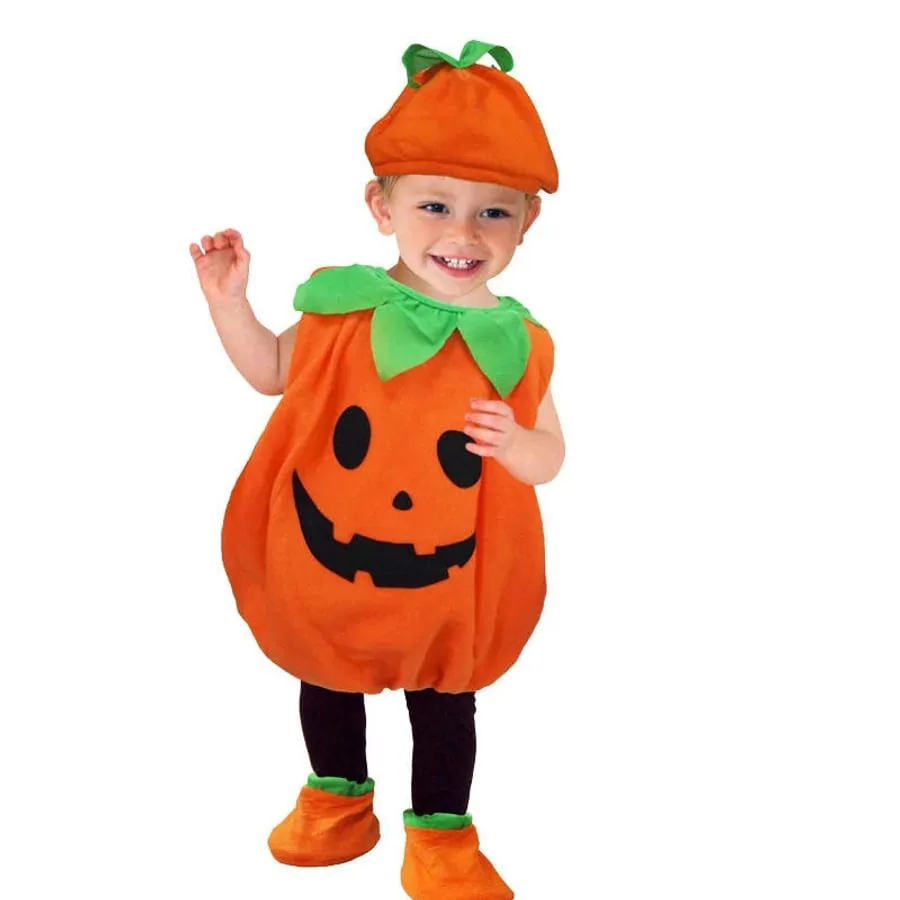
The Halloween spirit is built, not licensed
A generic seasonal range does not read as Halloween because of a character it cannot use. It reads as the season because a small set of constraints is held across every item - and that belongs in the brief, not the artwork.
Read more →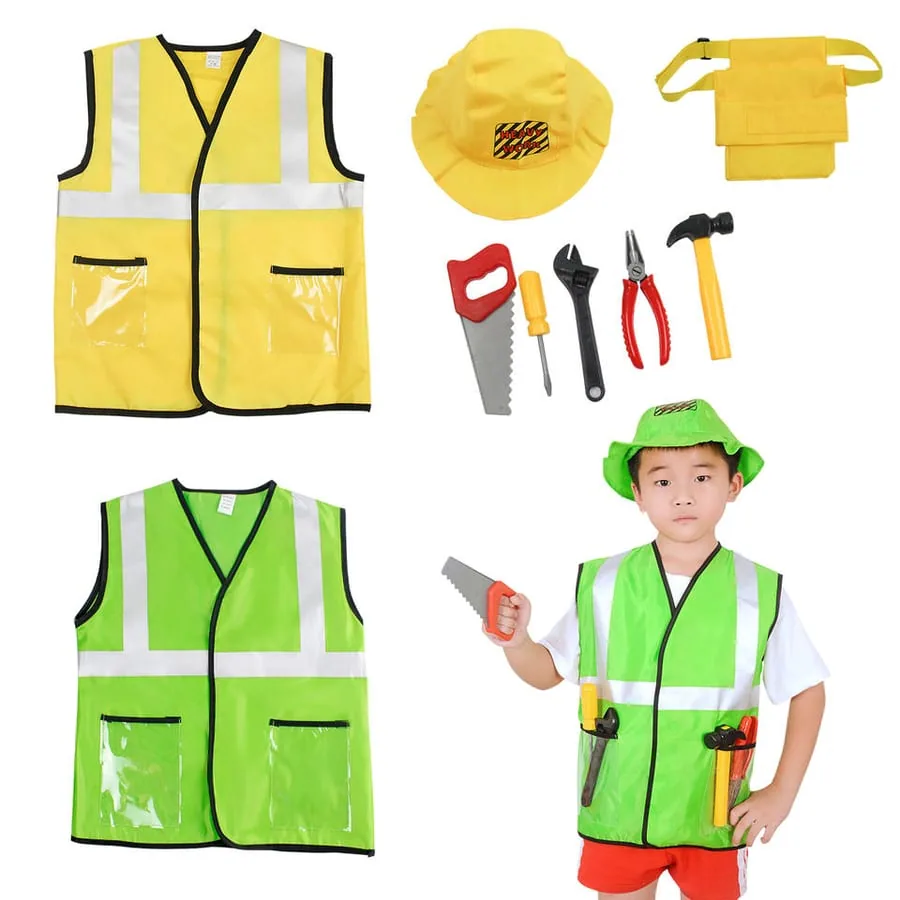
The hangtag is not a tracking label
The importer of record owns this marking requirement, it never appears on the certificate, and a hangtag does not satisfy it. What the order has to specify instead.
Read more →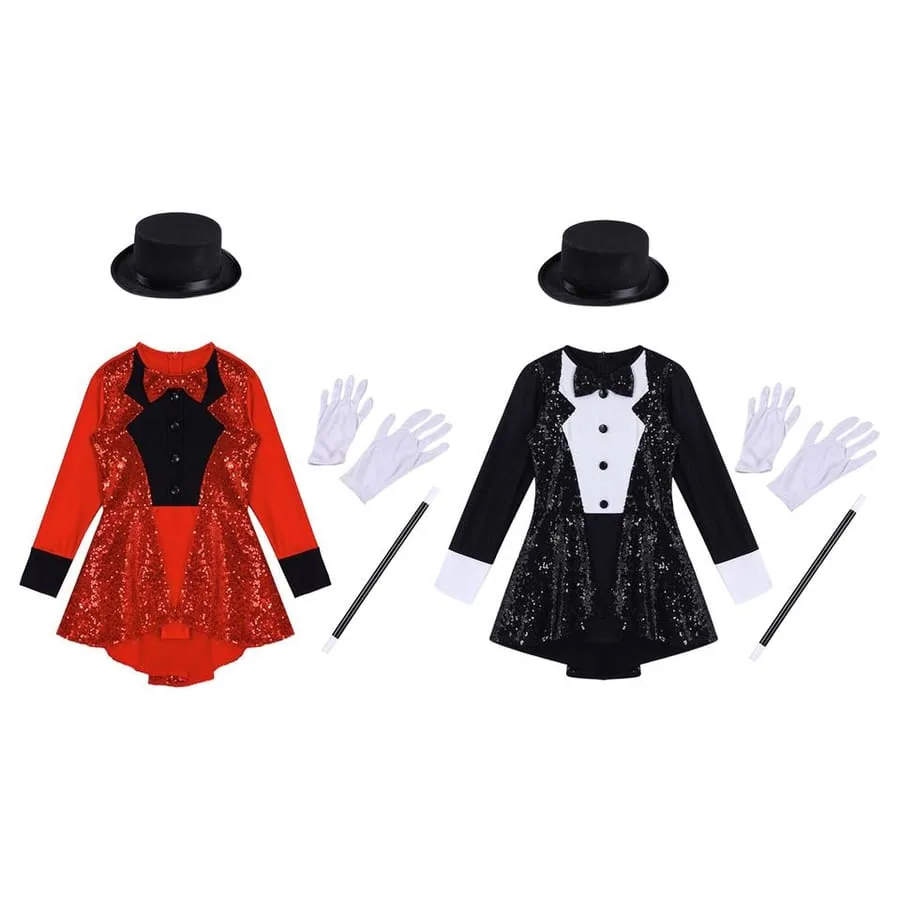
The dye has to stay where it was put
Colour that transfers onto skin, a seat surface or the garment hanging next to it is not a fault anyone can prove on arrival. It is a test requirement nobody wrote down.
Read more →The poly bag has its own rulebook
The bag a product ships in is a regulated item in its own right, and the rule that applies to it is set by the destination and the channel rather than by the product inside. Three lines in the packing specification settle it.
Read more →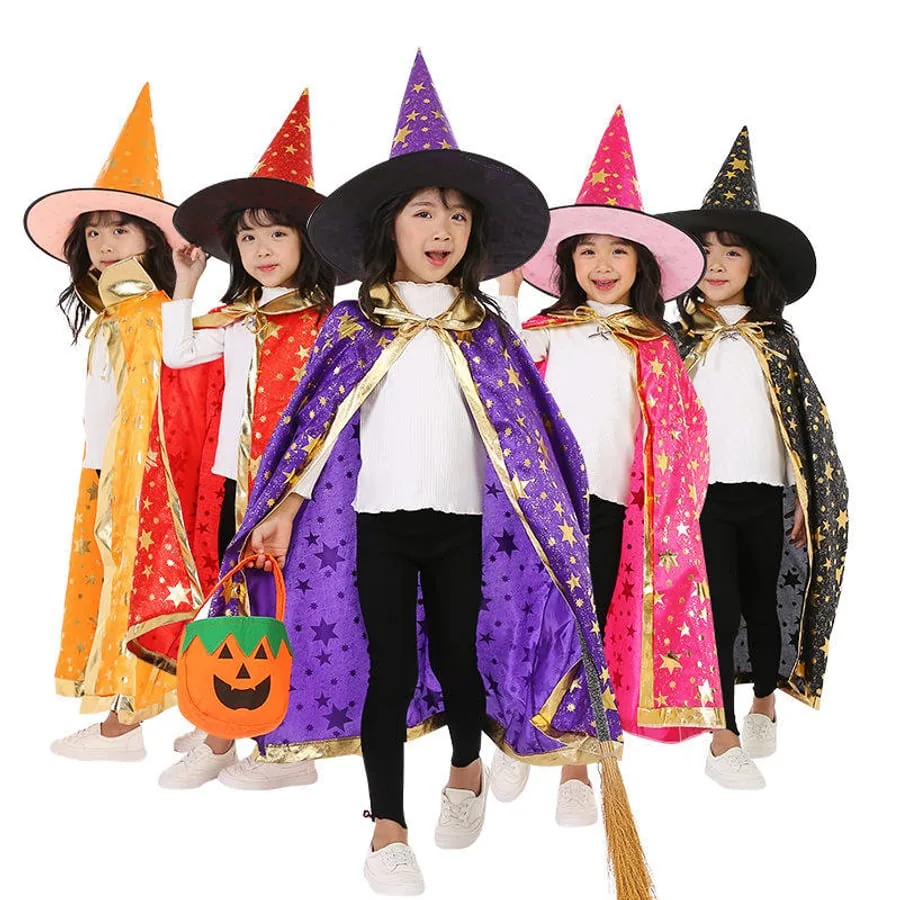
Why the reorder does not match the first shipment
Colour is approved before the bulk is dyed, and every dye lot differs slightly. The approved swatch, the light it was judged under and a written tolerance decide whether a repeat order lands next to the first one or beside it.
Read more →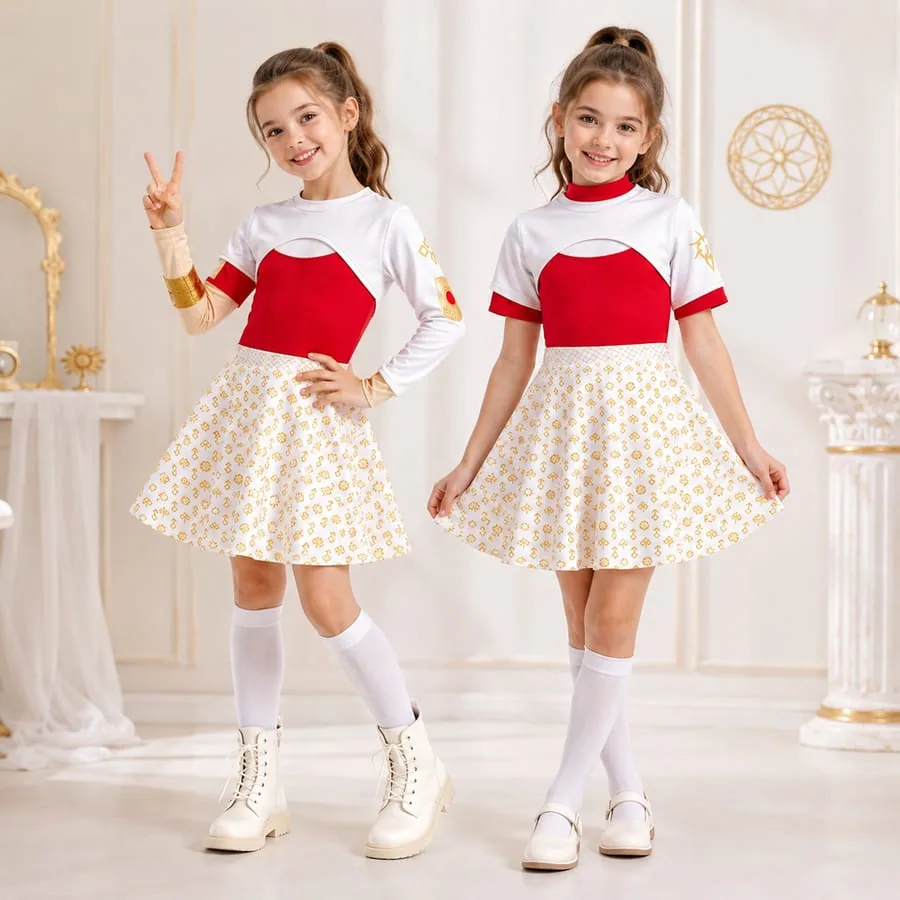
You are paying for the air in the carton
Costume and party goods are light, bulky and billed on the space they occupy rather than on what they weigh. Carton dimensions, compression and the volumetric divisor are costing decisions, so they belong on the order.
Read more →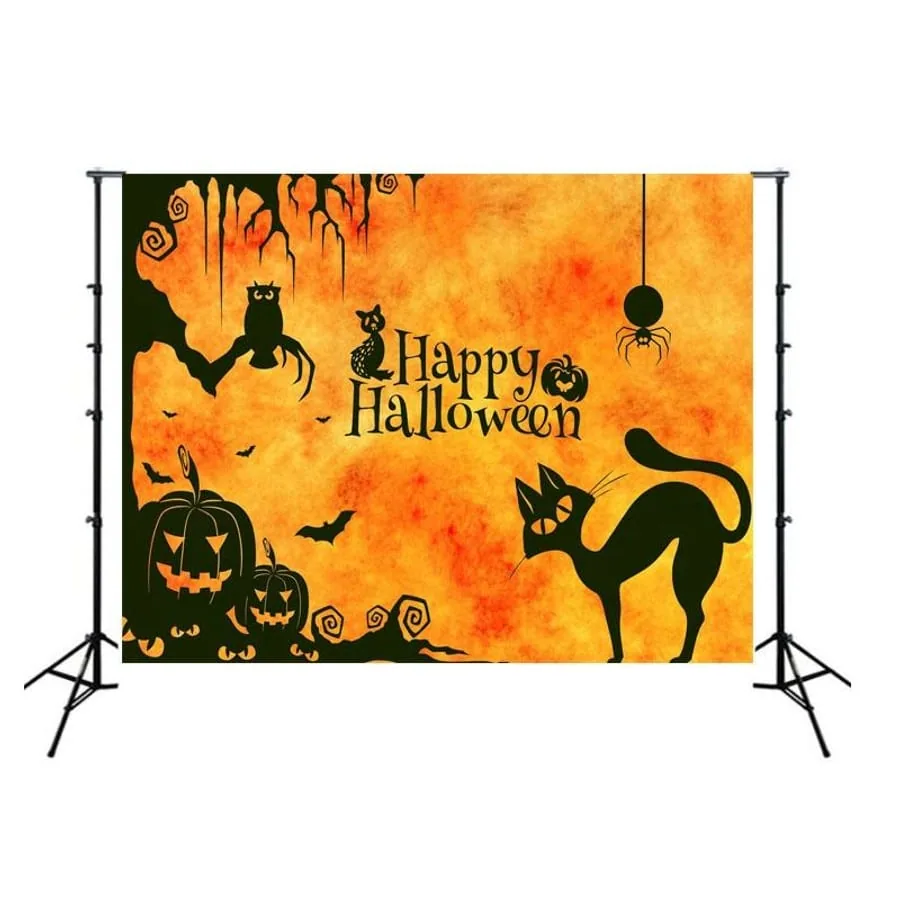
A backdrop is judged by its creases, not its artwork
A backdrop is bought for its print and judged on what shipping did to it. Substrate, finish and the way it is packed decide whether it hangs flat on the first try, so the specification is really a transport decision.
Read more →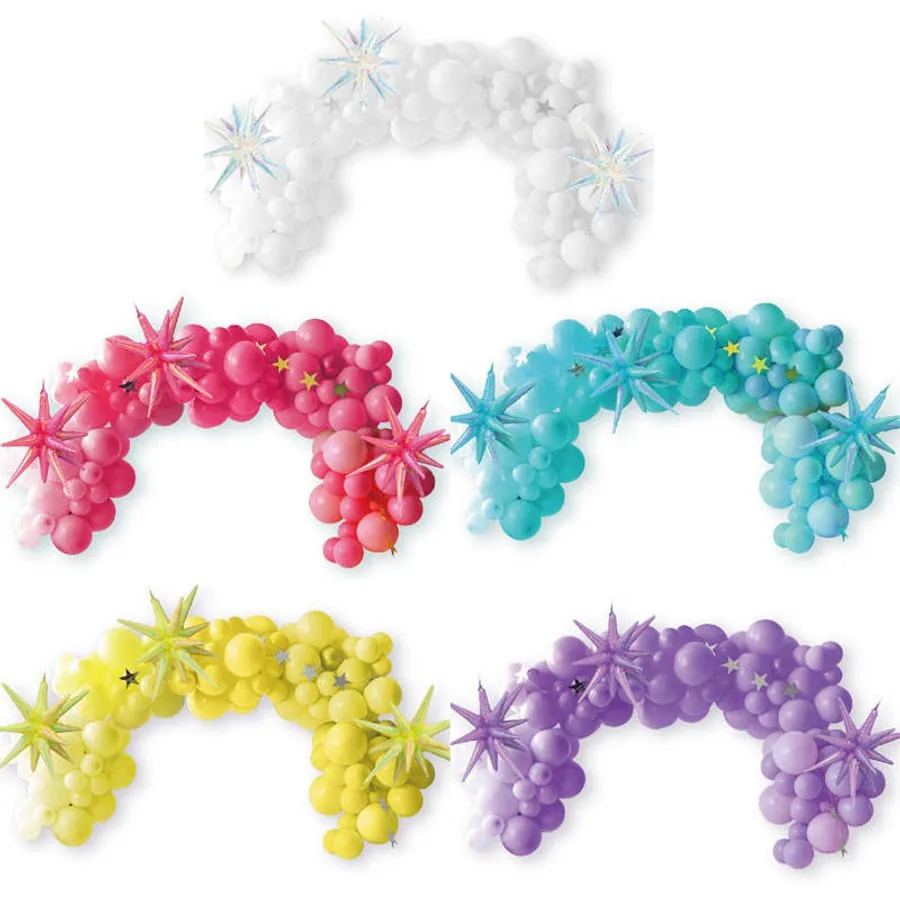
A balloon kit is perishable - specify it that way
A balloon garland reads as a durable prop and behaves like a perishable good. Latex loses lift in a day, oxidises in light and carries a shelf life, so the specification is a sell-by decision.
Read more →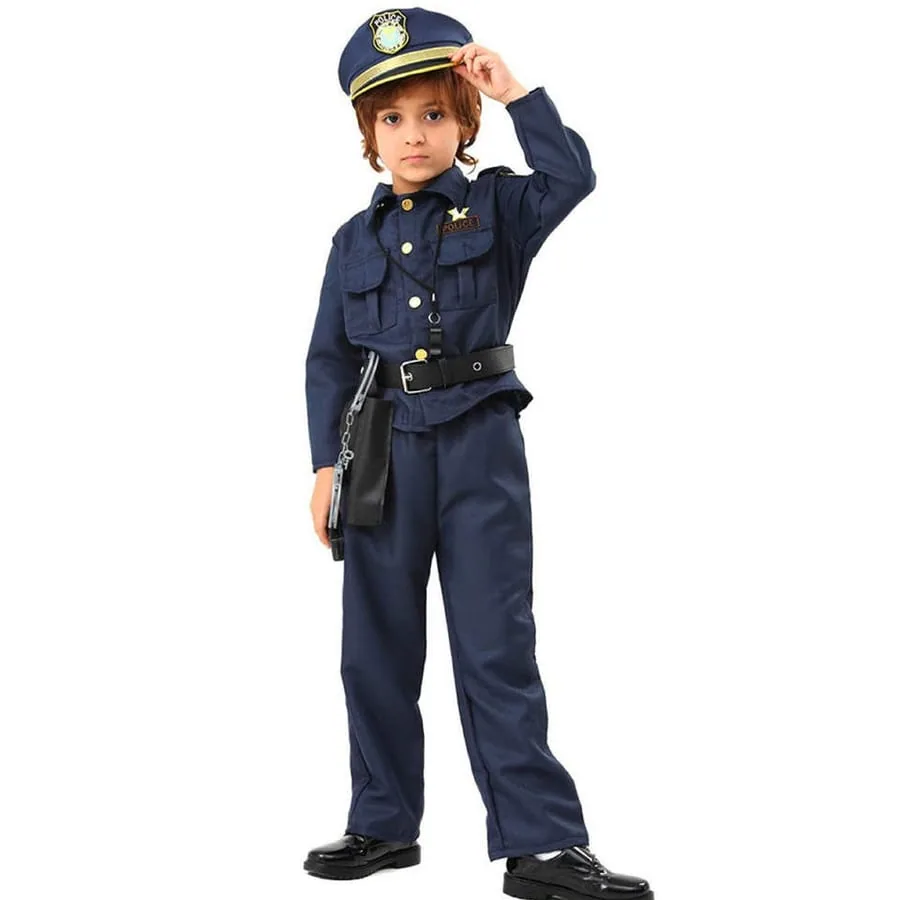
Who actually signs the children's product certificate
The certificate that clears a children's product at the border is issued by the importer, not the factory. What that changes about your next dress-up order, and the filing rule that took effect this year.
Read more →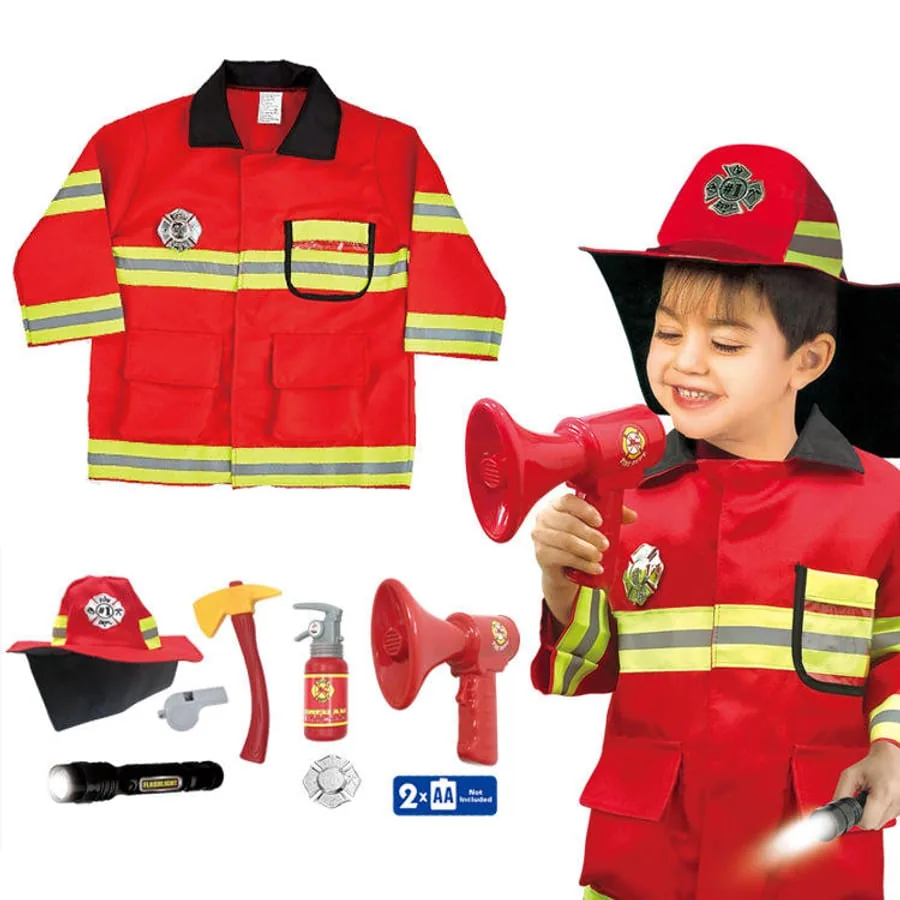
What breaks first in a children's dress-up programme
Children's costumes fail in three predictable places. Knowing which one you are buying for decides the specification — and the reorder rate.
Read more →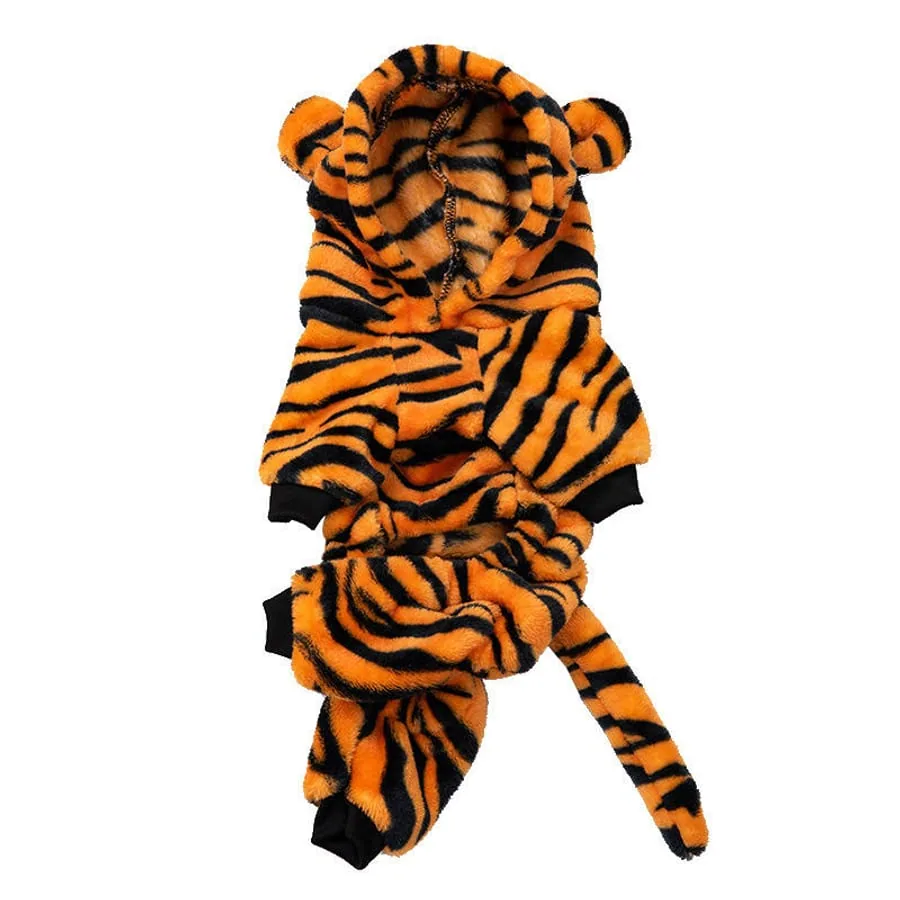
Sizing pet costumes for a retail wall
Pet sizing is not small, medium and large. It is girth, length and neck — and getting it wrong is the most common reason a pet range comes back off the shelf.
Read more →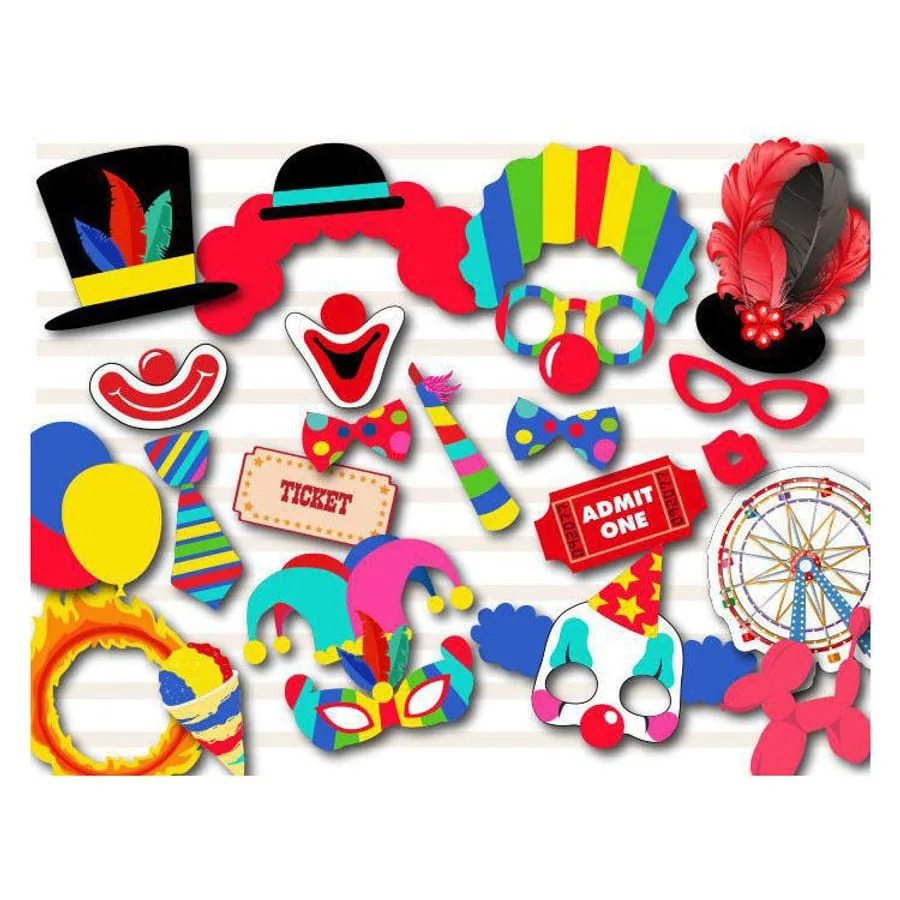
Building a photo-booth kit that survives a season
Photo-booth props are a consumable that buyers expect to reuse. The specification that decides whether they do is unglamorous: board weight, stick fixing and finish.
Read more →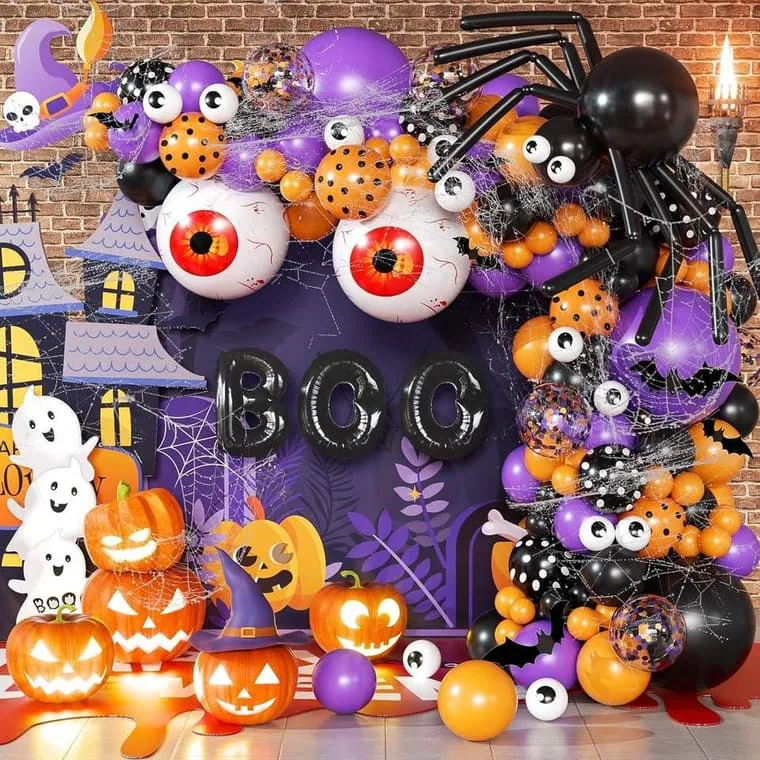
When to place a Halloween order
Halloween is the most compressed season in the calendar, and the buyers who lose money are the ones who treat it like a normal lead time.
Read more →Looking for pricing instead of reading?
Send your target styles and quantities — we come back with unit pricing, lead time and sampling options.