What breaks first in a children's dress-up programme
Children's costumes fail in three predictable places. Knowing which one you are buying for decides the specification — and the reorder rate.
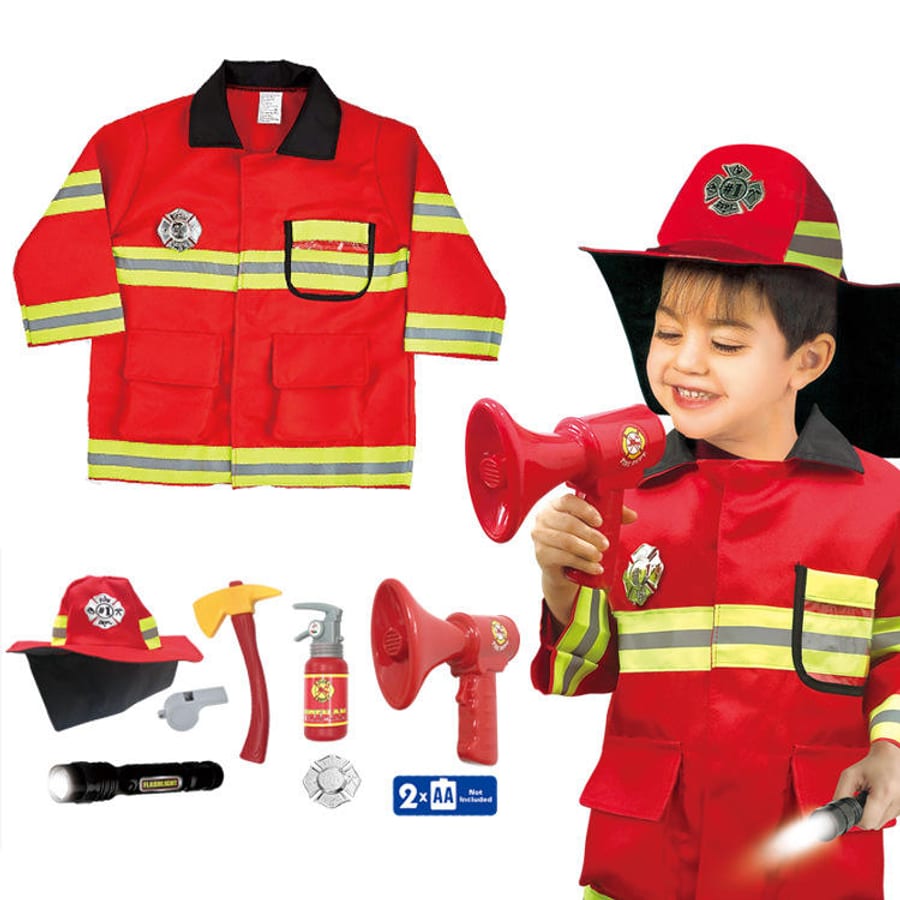
A children's dress-up programme is not judged on the first wear. It is judged on the tenth,
after the costume has been through a wash, a birthday party and a dressing-up box.
Three things fail first, and they fail in a predictable order.
1. The closure, not the fabric
Zip pulls snap, hook-and-loop loses its grab, and elastic goes slack. These are the cheapest parts
of the garment and the first to end a costume's life, because a child cannot dress themselves once
the closure stops working — and a parent who has to help every time stops buying.
If you are specifying a dress-up line, spend the money on the closure before the print. A
heavier-gauge zip or a wider hook-and-loop tape costs cents per unit and decides whether the
product survives to be recommended.
2. The shoulder and the seat
In childrenswear the highest-stress seams are the shoulder (pulled when the costume is yanked on
over the head) and the seat (sat on, dragged, and knelt on). A costume can look identical to a
better-built one on a hanger and split at the shoulder on the third wear.
This is where a size chart built from real measurements beats a generic block. If the garment is
graded from an adult pattern scaled down, the shoulder width will be wrong across the whole run,
and no amount of inspection catches it — because the garment is not defective, it is mis-graded.
A size chart is not paperwork. It is the part of the specification that decides your returns rate.
3. Anything that sheds, snaps or is swallowed
Trims, beads, feathers and anything that can be pulled off by a determined four-year-old are a
compliance question before they are an aesthetic one. Age grading and mandatory warnings for
childrenswear differ by market, and the run has to carry the right ones for where it is going.
Ask early, not after the carton lands. Changing a label or adding a warning after the goods are
packed is a rework cost; deciding it before cutting is free.
What this means when you order
- Decide the market first. It sets the labelling, the age grading and often the trim list.
- Ask what the closure is. If the answer is vague, that is the answer.
- Get the size chart in writing and check the shoulder and seat measurements, not the chest.
- Sample the wash. One wash cycle tells you more about a dress-up costume than an inspection
report does.
None of this is exotic. It is the difference between a line that gets reordered every season and
one that gets marked down in January.
Written from recurring community discussion themes — Parent complaints about dress-up costumes losing shape after a few wears (topic cue only) · Buyer threads on returns rates in childrenswear and dress-up ranges (topic cue only) · Discussion of age grading and mandatory labelling for childrenswear (topic cue only). Topic cues only; every word here is original.
Need pricing for these styles?
Send quantities, sizes and your destination market — we reply with price, lead time and sample options.