Sizing pet costumes for a retail wall
Pet sizing is not small, medium and large. It is girth, length and neck — and getting it wrong is the most common reason a pet range comes back off the shelf.
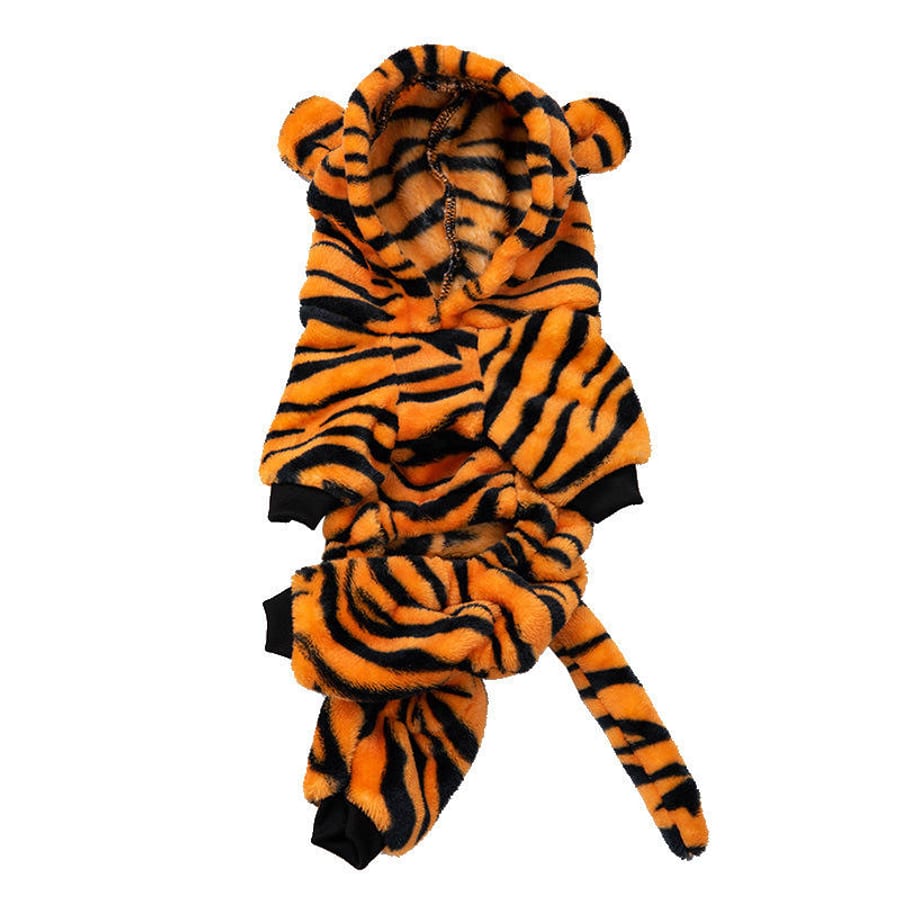
A pet costume is bought by a human who cannot try it on. That single fact decides how the
range has to be specified.
The three measurements that matter
Weight is a marketing number. The three that actually decide fit are:
- Girth — around the chest, just behind the front legs. This is the primary measurement, and
the one most ranges get wrong.
- Length — from the base of the neck to the base of the tail, along the back.
- Neck — around the neck where a collar sits.
A 6 kg poodle and a 6 kg bulldog are not the same customer. One is long and narrow, the other is
deep and broad, and a costume sized on weight alone will fit neither properly.
Breed proxies are useful, up to a point
Most buyers group the wall by rough size bands. Breed examples are the fastest way to communicate
those bands to a shopper — "fits most terriers and similar" tells a parent more than "size M" does.
The trap is treating breed as a specification. It is a merchandising label. The specification is
still girth, length and neck, and it should be published on the product page, not left to the
shopper's guess.
What to fix in the specification
- Grade by girth first, then adjust length and neck within the band.
- Publish girth ranges on the hangtag. Shoppers measure girth with a tape measure at home;
they do not measure anything else as reliably.
- Elasticity is a fit decision, not a cost decision. A costume with enough give in the girth
covers two adjacent bands and cuts returns sharply.
- Separate the patterns for cats. A cat is not a small dog. The leg openings and the belly
panel have to be cut differently, and a dog pattern scaled down will fail on a cat.
The cheapest return to avoid is the one caused by a size chart the shopper could not read.
On the wall
For a retail wall, the practical rule is to keep the number of bands small enough that a shopper
can pick confidently and wide enough that most pets fall inside one of them. Three or four bands
covering the realistic size distribution will outsell a longer ladder of narrower sizes, because
the shopper who is unsure buys nothing.
Whatever the ladder is, it has to stay stable across reorders. A supplier who shifts the boundary
of "medium" between two runs turns a reorder into a return.
Written from recurring community discussion themes — Pet-owner complaints about costume fit and returns (topic cue only) · Retail discussion of pet apparel sizing inconsistency between suppliers (topic cue only) · Breed and girth measurement conventions used in pet apparel (topic cue only). Topic cues only; every word here is original.
Need pricing for these styles?
Send quantities, sizes and your destination market — we reply with price, lead time and sample options.