Who actually signs the children's product certificate
The certificate that clears a children's product at the border is issued by the importer, not the factory. What that changes about your next dress-up order, and the filing rule that took effect this year.
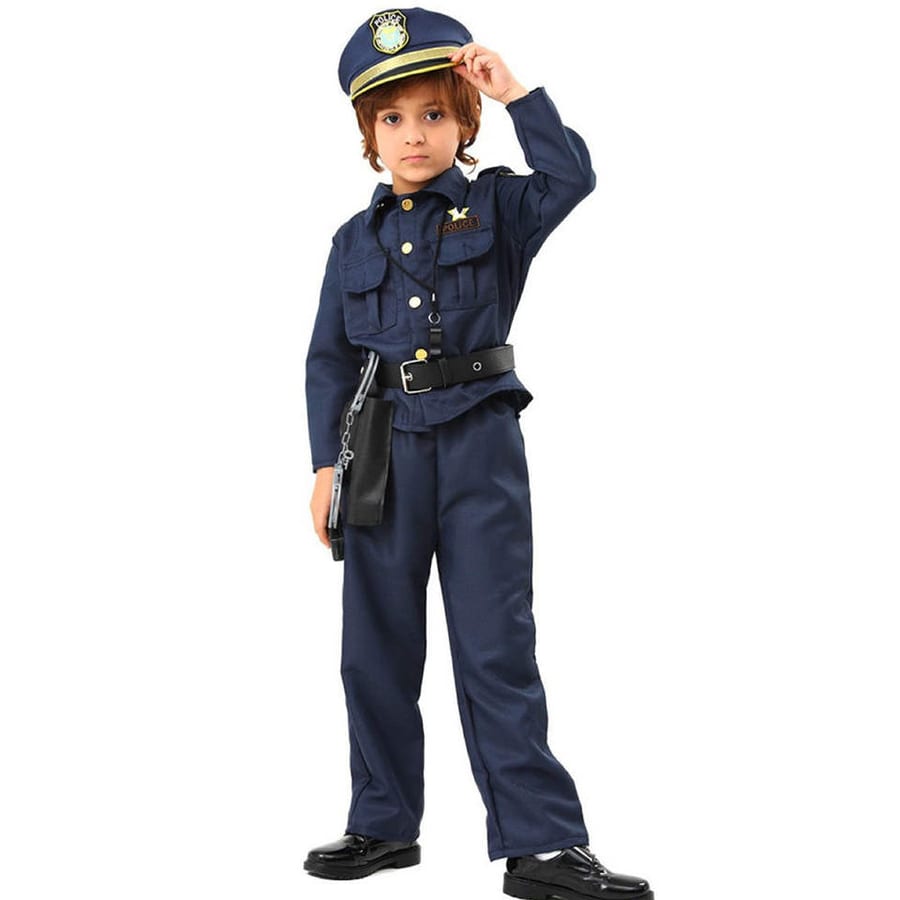
A children's product that is subject to a safety rule cannot legally enter the United States without a certificate of compliance. Buyers routinely assume the factory writes one and drops it into the shipping documents. It does not work that way, and the misunderstanding usually surfaces at the worst moment: at the border, with a container already on the water.
The certificate has to come from you
The duty to draft and issue the certificate sits with the domestic manufacturer or the importer. A third-party laboratory supplies the test results; it does not issue the certificate. Those are two separate documents from two separate parties.
This matters because a certificate issued by a factory overseas does not by itself discharge the importer's obligation. The rules do let an importer build a certificate on another party's testing, but only while exercising due care: you have to be satisfied the results are valid, and you have to be able to obtain the underlying test reports and the test plan behind them. A scanned certificate with no reports attached is not that.
What has to be on it
Seven elements, and a missing one is a defect:
- A description precise enough to match the certificate to that product and no other
- A citation to each children's product safety rule the item is certified against
- The name, full mailing address and telephone number of the firm certifying
- Contact details for the person who holds the test records
- The month and year of manufacture, plus the city and country of final assembly
- The dates and places of testing
- The name, address and telephone number of the accepted laboratory
Where a rule carries an exemption, the item may not need testing, but it still needs a certificate that says so and names the exemption it relies on.
What changed this year
Since July 2026, importers of most regulated consumer products have to file certificates of compliance electronically with US Customs and Border Protection ahead of entry, through a government-agency message set. A certificate that exists only as a PDF in somebody's inbox no longer clears the entry on its own.
What to ask before you commit
- Which safety rules apply to this exact item and age grade, in writing, before the order is confirmed.
- Who holds the test reports, and whether you can have them alongside the certificate rather than after it.
- Whether lot identifiers will be recorded, so one certificate can cover repeated production instead of being rewritten every shipment.
- Who the importer of record is. That party is the certifier, whatever the invoice implies.
These questions cost nothing to settle before the goods are cut and a great deal afterwards. The useful part a supplier can play is narrower and more practical: holding the test reports, keeping the lot identifiers straight, and answering them without a week of delay. The kids range shows the styles we build for wholesale and OEM programmes.
Written from recurring community discussion themes — Importers repeatedly asking who signs the children's product certificate (topic cue only) · Buyer questions about selling a children's product before certification is complete (topic cue only) · Regulator guidance describing the testing and certification duties of the importer (topic cue only). Topic cues only; every word here is original.
Need pricing for these styles?
Send quantities, sizes and your destination market — we reply with price, lead time and sample options.